![RAKtherm vs Cosmoplast PPR Pipes: Which Is Better for Dubai Projects? [2026]](https://davepools.com/wp-content/uploads/2026/07/a_clean_studio_advertising_product_image_overall.webp "RAKtherm vs Cosmoplast PPR Pipes: Which Is Better for Dubai Projects? [2026] 10")

Are you planning a plumbing project but unsure which pipe material to choose? The wrong selection can lead to leaks, contaminated water, or costly replacements within just a few years. Fortunately, PPR pipes and fittings offer a reliable, long-lasting solution for modern plumbing needs.
In this comprehensive guide, we’ll explore everything you need to know about PPR pipes and fittings, from their composition and benefits to installation tips and common applications. Whether you’re a homeowner planning a renovation or a contractor seeking the best materials for your next project, this information will help you make an informed decision.

PPR (Polypropylene Random Copolymer) pipe is a type of thermoplastic pipe made from a specific type of polypropylene resin. PPR pipe is a modern plumbing solution that has gained popularity worldwide due to its exceptional properties and versatility.
The molecular structure of PPR includes randomly arranged propylene monomers and ethylene, creating a material that offers excellent resistance to high temperatures, chemicals, and pressure. This random arrangement is what gives PPR its name and its unique characteristics compared to other plastic pipes.
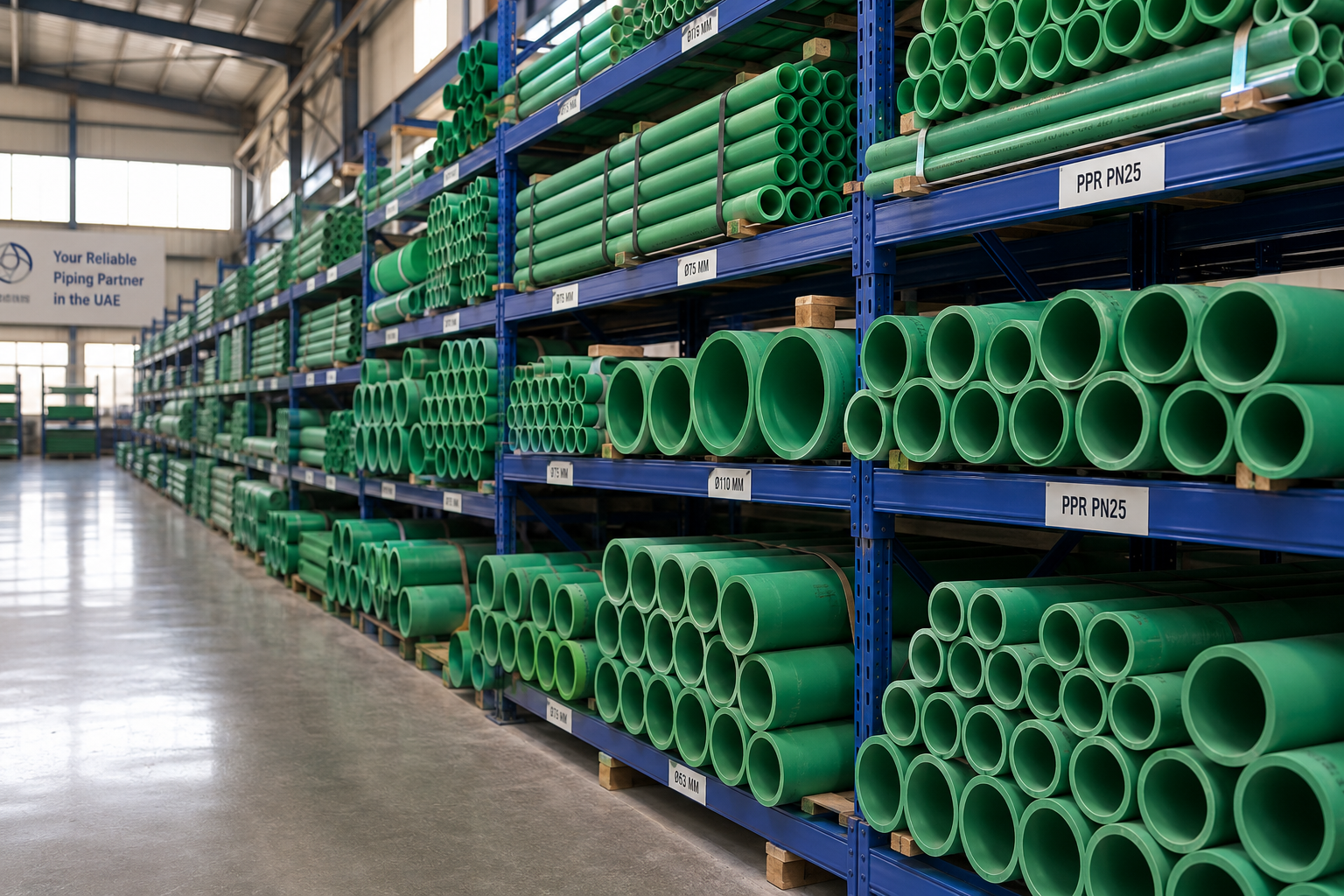
Unlike traditional materials like copper or galvanized steel, PPR pipes don’t corrode or scale over time. They’re also significantly lighter, making them easier to transport and install. The smooth inner surface reduces friction, allowing for better water flow and less noise during operation.
According to industry experts at Dave Pools, PPR pipes have become the preferred choice for many plumbing applications, particularly in residential and commercial buildings where reliability and longevity are paramount.

The manufacturing process of PPR pipes plays a crucial role in their quality and performance. Understanding how these pipes are made can help you appreciate their value and ensure you’re selecting the right product for your needs.
The production of PPR pipes involves several key steps:
For a more detailed explanation of the manufacturing process, you can visit Dave Pools’ guide on how PPR pipes are manufactured.

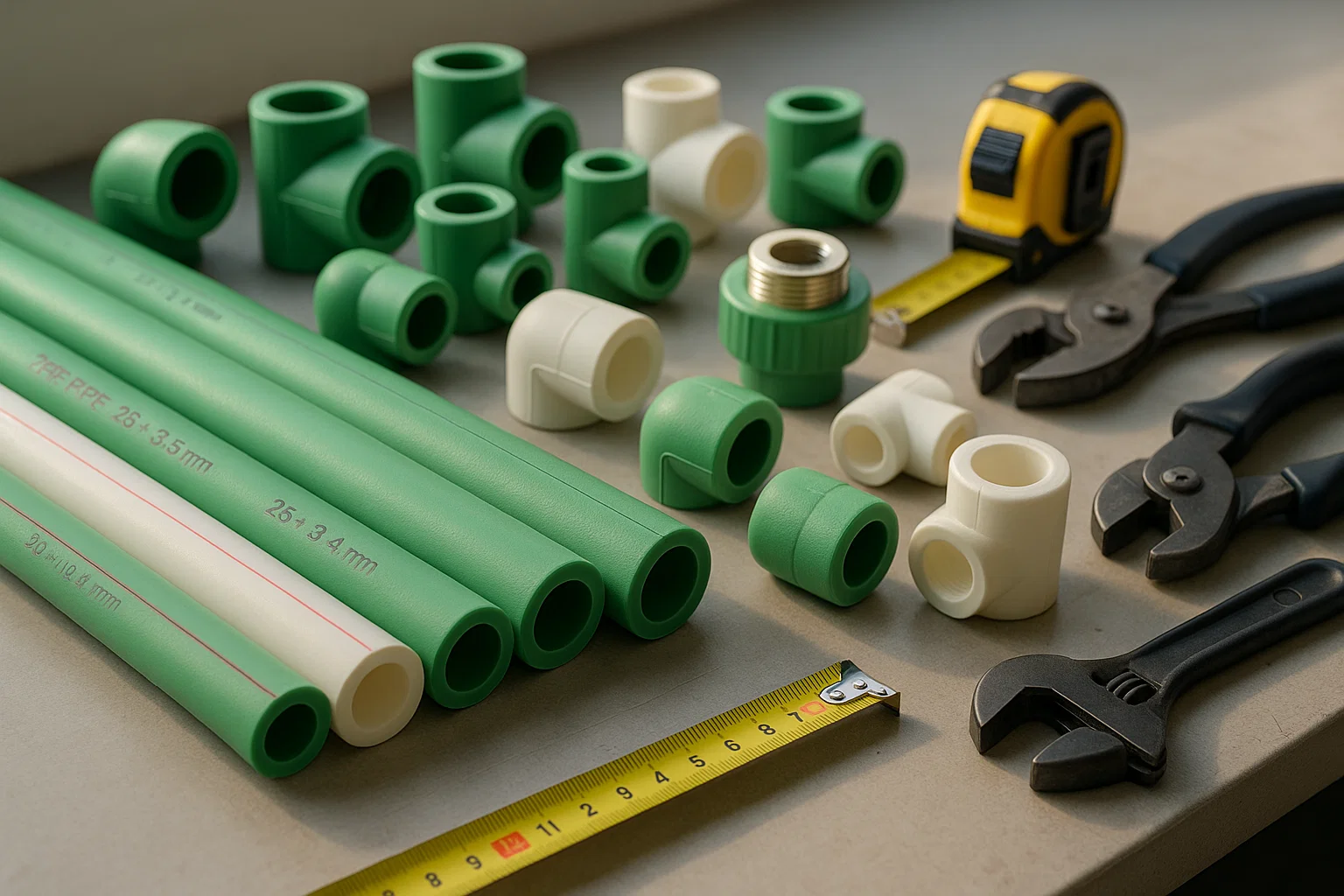
What is PPR pipe fitting? PPR pipe fittings are specialized connectors designed to join PPR pipes in various configurations, allowing for the creation of complete plumbing systems. These fittings are made from the same material as the pipes themselves, ensuring compatibility and a seamless connection.
The most common types of PPR pipe fittings include:
Each fitting serves a specific purpose in the plumbing system, and selecting the right ones is crucial for proper installation. For a comprehensive look at the various types of PPR fittings available, check out Dave Pools’ guide on PPR pipe fitting types.

Pressure rating is one of the most important specifications to consider when selecting PPR pipes. The two most common pressure ratings are PN10 and PN16, with the number indicating the maximum pressure the pipe can withstand in bars.
The choice between PN10 and PN16 depends on your specific needs, including the operating temperature, pressure requirements, and budget considerations. For a detailed comparison, visit Dave Pools’ article on the difference between PN10 and PN16.

PPR pipes and fittings offer numerous advantages over traditional plumbing materials, making them an excellent choice for modern construction and renovation projects. Here’s why contractors and homeowners increasingly prefer these innovative piping solutions:
PPR pipes can last 50+ years under normal conditions, outlasting many traditional materials. Their resistance to corrosion, scaling, and chemical deterioration contributes to this impressive longevity.
One of the standout features of PPR pipes is their excellent temperature tolerance. They can handle continuous hot water flow up to 80°C and short-term exposure to temperatures as high as 95°C without degradation or deformation.
PPR pipes resist most chemicals found in household and industrial environments, including acids, bases, and various solvents.
Unlike some older piping materials, PPR is non-toxic and doesn’t leach harmful substances into water. This makes it safe for drinking water systems, a crucial consideration for residential plumbing.
The material properties of PPR significantly reduce water flow noise compared to metal pipes, creating a quieter living environment.
PPR has natural thermal insulation properties, reducing heat loss from hot water pipes and potentially lowering energy costs.
The heat fusion joining method creates seamless connections without glues or solvents, reducing installation time and eliminating the risk of leaks at joints.
PPR is recyclable and requires less energy to produce than metal pipes, making it a more environmentally friendly choice.
For more information on why PPR pipes are increasingly the material of choice for modern plumbing systems, read Dave Pools’ article on why PPR pipe is used.

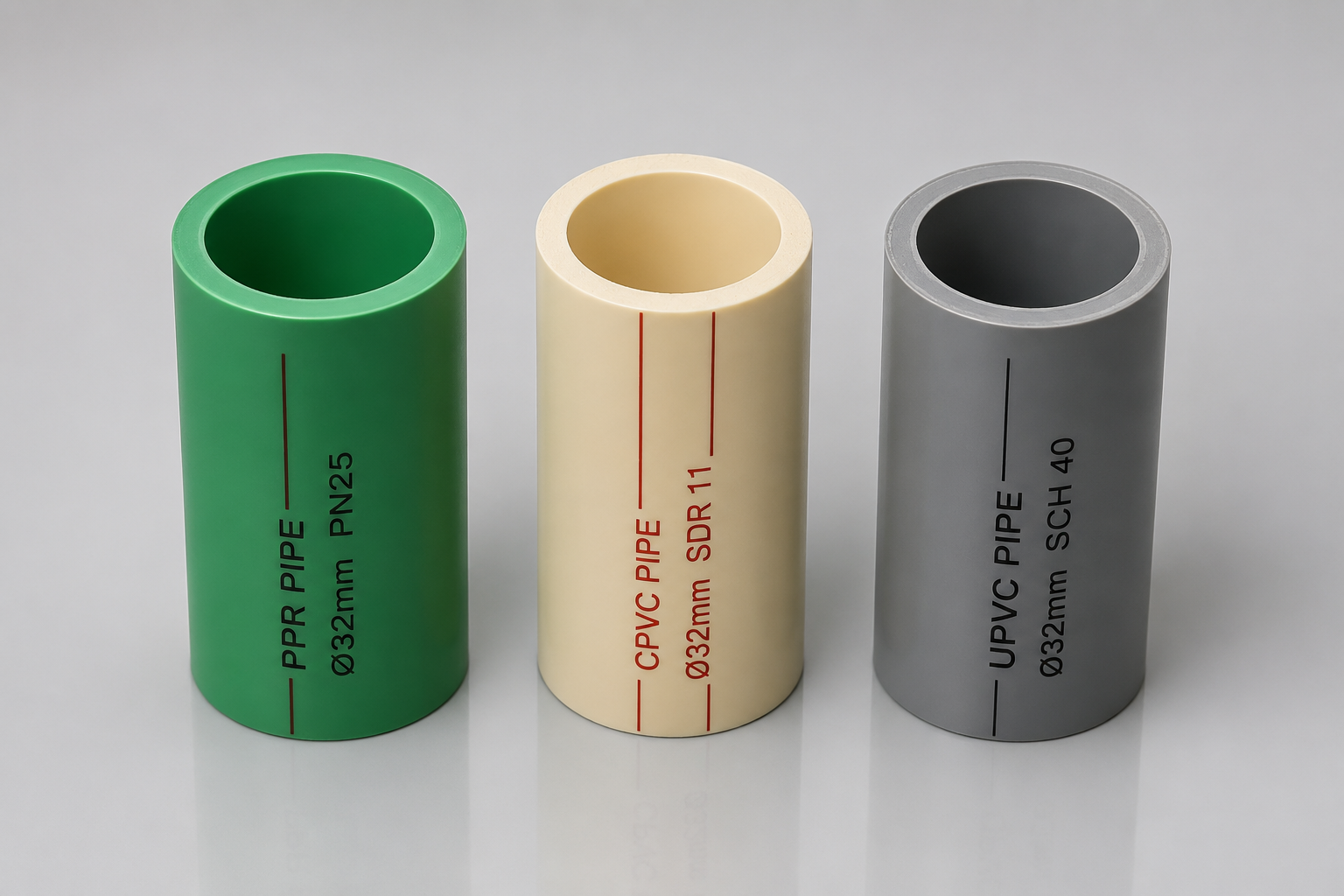
When planning your plumbing project, you’ll likely encounter both PPR and PVC as potential options. While both are plastic pipes, they have significant differences that make each suitable for different applications.
The choice between PPR and PVC should be based on your specific application requirements, budget constraints, and long-term considerations. For a more detailed comparison, check out Dave Pools’ analysis of PPR pipe vs PVC pipe.

PPR pipes are versatile and can be used in various applications across residential, commercial, and industrial settings. Their unique properties make them especially suitable for:
The exceptional heat resistance of PPR pipes makes them ideal for hot water distribution systems in homes, hotels, and commercial buildings. Unlike many other plastic pipes, PPR can safely handle continuous hot water flow without degradation.
Thanks to their non-toxic nature and resistance to bacterial growth, PPR pipes are perfect for potable water systems. They don’t affect the taste or quality of drinking water, making them a safe choice for domestic water supply.
The thermal properties and flexibility of PPR pipes make them excellent for underfloor heating systems, where they can withstand constant temperature variations while providing efficient heat distribution.
In industrial settings, PPR pipes are used for chemical transport, compressed air systems, and process water distribution due to their chemical resistance and durability.
PPR pipes are increasingly used in swimming pool plumbing systems, where they need to withstand chlorinated water and varying pressures. Dave Pools specializes in providing high-quality PPR solutions for pool applications.
For agricultural and landscaping irrigation, PPR pipes offer durability and resistance to UV degradation when properly formulated, making them suitable for outdoor applications. Learn more about irrigation applications at Dave Pools’ irrigation systems page.

Proper installation is crucial for maximizing the performance and lifespan of PPR piping systems. Here’s a step-by-step guide to ensure successful installation:
Before beginning, plan your pipe route and measure carefully. Mark all cutting points and locations for fittings.
Cut the PPR pipe perpendicular to its axis using a pipe cutter or fine-toothed saw. Ensure cuts are clean and straight for proper joints.
Set the welding machine to the appropriate temperature (typically 260-270°C) and allow it to heat up completely. The correct temperature is crucial for creating strong joints.
Allow each joint to cool naturally for the recommended time before applying any pressure or stress to the connection.
Once the entire system is installed and fully cooled, conduct a pressure test to ensure all connections are secure and leak-free.
For hot water pipes or pipes in exposed areas, apply appropriate insulation to improve energy efficiency and prevent heat loss.
For professional installation services or high-quality PPR pipes and fittings, consider contacting Dave Pools, a leading supplier in Dubai.

One of the significant advantages of PPR piping systems is their minimal maintenance requirements. However, understanding basic maintenance practices and troubleshooting techniques can help extend the life of your system and quickly address any issues that may arise.
While PPR systems are generally reliable, seek professional help if you encounter:
For professional maintenance services or quality replacement parts in Dubai, contact Dave Pools, a trusted supplier of PPR pipes and fittings.
PPR pipe is primarily used for hot and cold water distribution systems in residential and commercial buildings. Its excellent temperature resistance makes it particularly suitable for hot water applications, where it can safely handle temperatures up to 80°C for continuous use.
Under normal operating conditions, quality PPR pipes can last 50 years or more. This exceptional lifespan is due to their resistance to corrosion, scaling, and chemical degradation.
Yes, PPR pipe is completely safe for drinking water. It’s non-toxic, doesn’t leach chemicals into water, and resists bacterial growth, making it an excellent choice for potable water systems.
PPR pipe fittings are connectors made from the same material as PPR pipes, designed to join pipes in various configurations. They’re connected using heat fusion welding, a process that melts the pipe and fitting surfaces together to create a homogeneous, leak-proof joint.
Yes, PPR pipes can be used underground, but they typically require additional protection like sand bedding and protective sleeves. Special PPR formulations with increased UV and environmental resistance are recommended for such applications.
The color difference is primarily for identification purposes. Green PPR pipes are often used for cold water applications, while white (or sometimes gray) pipes are used for hot water systems. However, this color coding isn’t standardized across all manufacturers.
Yes, PPR pipes are 100% recyclable. At the end of their service life, they can be collected, processed, and used to manufacture new plastic products, making them an environmentally friendly choice.
Quality PPR pipes should have consistent color, smooth surfaces, uniform wall thickness, and proper markings indicating the manufacturer, size, pressure rating, and production date. Purchasing from reputable suppliers like Dave Pools ensures you’re getting high-quality products.
While compression fittings can technically be used with PPR pipes, it’s not recommended. Heat fusion joints are far superior for PPR systems, creating a permanent, leak-proof connection that maintains the integrity of the system.
Both materials have advantages for hot water applications. PPR offers better insulation, corrosion resistance, and is generally less expensive, while copper has a higher temperature tolerance and better heat conductivity. For most modern residential applications, PPR provides an excellent balance of performance, longevity, and value.
If you’re looking for high-quality PPR pipes and fittings in Dubai, Dave Pools offers a comprehensive range of products from leading manufacturers. Our team of experts can help you select the right materials for your specific project needs and provide professional advice on installation and maintenance.
Visit our PPR pipes and fittings page to learn more about our offerings or contact us directly for personalized assistance.