
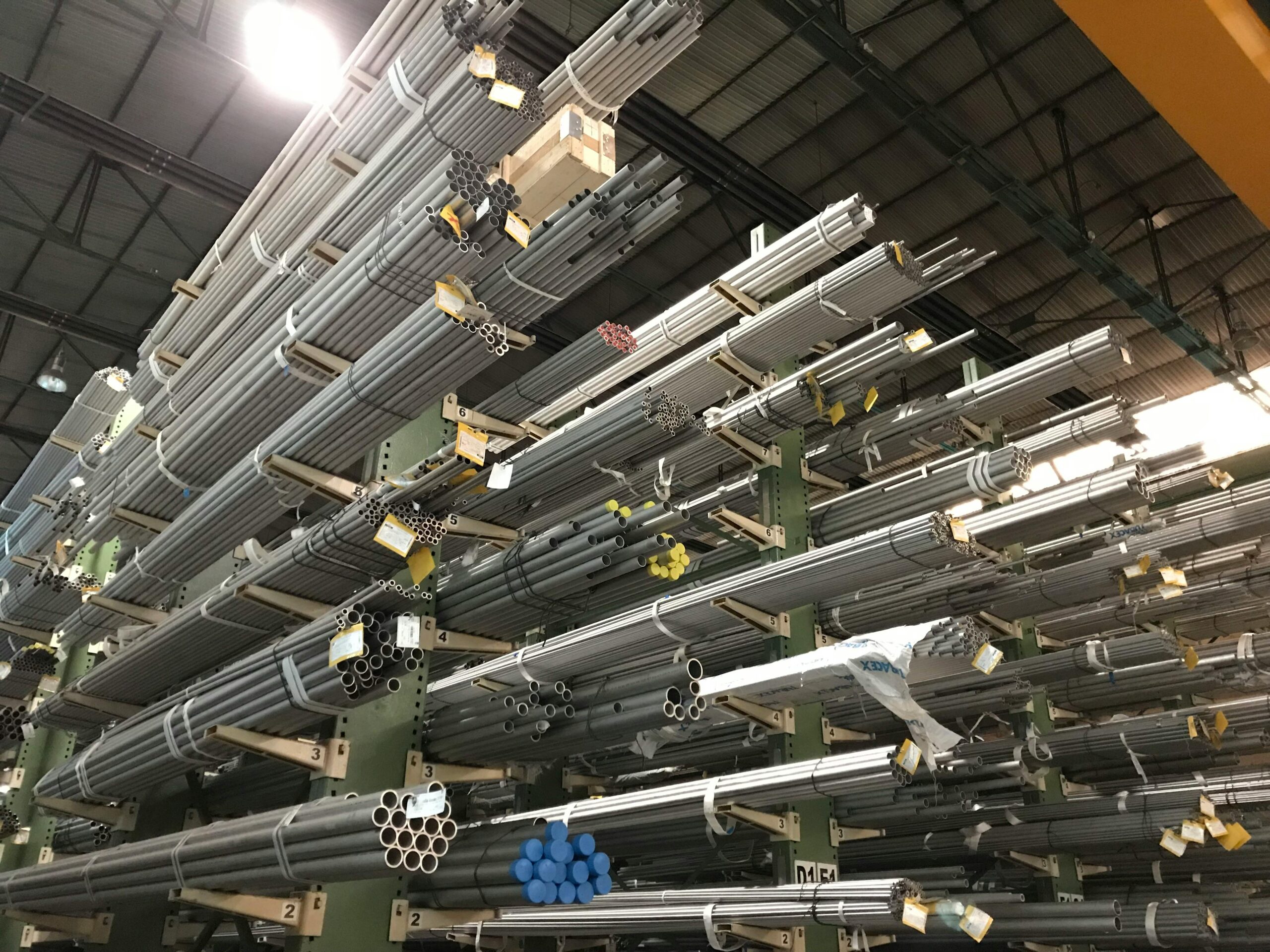
The plumbing industry faces constant challenges with corrosion, leakage, and durability issues. Traditional piping materials often fail prematurely, causing costly repairs and water damage. Modern construction demands more reliable, long-lasting solutions that can withstand various environmental conditions while being cost-effective and environmentally friendly. PPR pipes offer this solution, but understanding how these superior pipes are manufactured is key to appreciating their exceptional qualities.
This comprehensive guide reveals the sophisticated manufacturing process behind PPR pipes, explaining why they’ve become the preferred choice for professional plumbing systems worldwide.
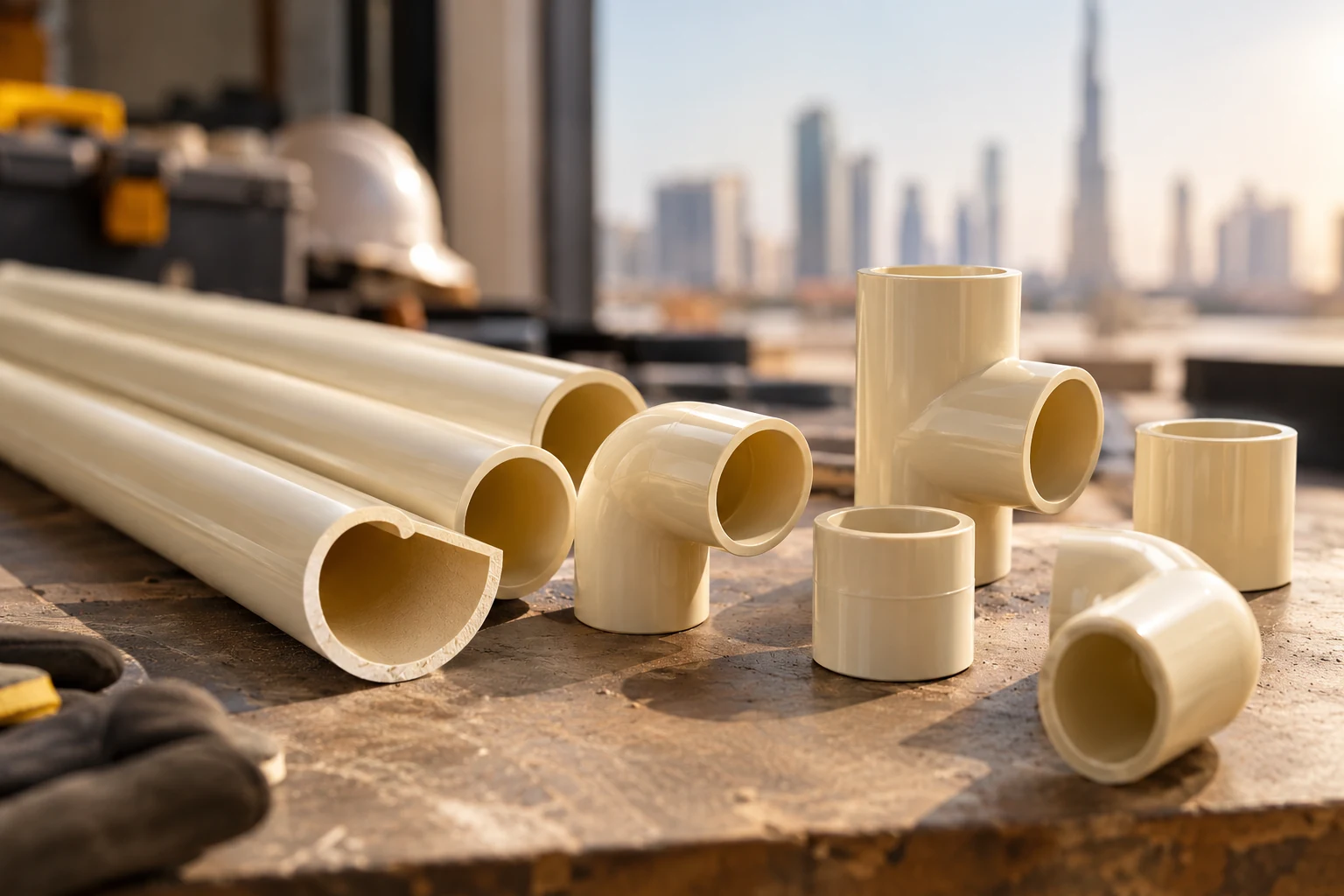
PPR pipes are advanced plumbing solutions made from polypropylene random copolymer, a thermoplastic material specifically engineered for hot and cold water distribution systems. These pipes have revolutionized the plumbing industry due to their exceptional durability, resistance to chemicals, and long service life.

Unlike traditional materials like galvanized iron or copper, PPR pipes don’t corrode or scale over time. Their smooth interior surface maintains consistent water flow throughout their 50+ year lifespan, making them ideal for residential, commercial, and industrial applications.
For quality PPR pipes and fittings, Dave Pools offers exceptional PPR solutions in Dubai with professional installation services.
The quality of PPR pipes begins with the raw materials. Understanding what goes into these pipes helps explain their superior performance characteristics.
Premium PPR pipe manufacturers, like those supplied by Dave Pools in Dubai, carefully select these materials to ensure optimal performance and longevity.
| Property | Benefit in PPR Pipes |
|---|---|
| Heat Resistance | Withstands temperatures up to 95°C |
| Chemical Resistance | Immune to most chemicals and corrosion |
| Low Thermal Conductivity | Minimal heat loss in hot water systems |
| Food-Grade Safety | Non-toxic and safe for drinking water |
| Recyclability | Environmentally sustainable |

The factory process to manufacture PPR pipes involves several sophisticated stages, each contributing to the final product’s quality. Here’s a detailed look at the production journey:
1. Material Selection and Testing
2. Compounding and Mixing
3. Pelletizing
The extrusion process represents the heart of PPR pipe manufacturing. This complex operation transforms raw plastic pellets into uniform, continuous pipes.
1. Feeding and Melting
2. Extrusion and Forming
After extrusion, the hot pipe must be carefully cooled while maintaining its precise dimensions.
1. Water Bath Cooling
2. Haul-Off System
The final stages transform the continuous pipe into market-ready products.
1. Length Cutting
2. Socket Formation (for Socket-End Pipes)
3. Marking and Identification
4. Packaging and Storage

Quality control is integrated throughout the manufacturing process, not just at the end. The type of quality control done while manufacturing PPR pipes includes:
For installations requiring the highest reliability, Dave Pools provides premium PPR pipes that have passed all these rigorous tests.

Today’s advanced manufacturing technologies have significantly improved PPR pipe quality:
The PPR pipe industry continues to evolve with several emerging trends:
These innovations continue to make PPR pipes even more sustainable and effective for modern plumbing needs.
The manufacturing process directly impacts pipe performance. When selecting PPR pipes for your project, consider:
For projects in Dubai, Dave Pools offers expert consultation on PPR pipe selection based on specific application requirements.
The factory process involves raw material preparation, compounding, extrusion through specialized dies, precise cooling in calibrated water baths, dimensional testing, cutting to length, socket forming (when applicable), marking, and final packaging. Each stage is computer-controlled to ensure consistent quality.
PPR pipes are primarily made from polypropylene random copolymer (Type 3), along with stabilizers to resist degradation, colorants for identification, antioxidants to prevent aging, and sometimes glass fiber reinforcement for added strength. All materials must be certified safe for drinking water applications.
Quality control during manufacturing includes continuous dimensional monitoring, visual inspection for defects, regular sampling for laboratory testing, pressure testing, thermal stability verification, and long-term hydrostatic strength assessment. Each batch receives a unique identifier for complete traceability.
The step-by-step manufacturing process includes: (1) raw material testing and preparation, (2) precise compounding of ingredients, (3) pelletizing the mixture, (4) feeding pellets into the extruder, (5) melting and forming through dies, (6) cooling in calibrated water baths, (7) dimensional verification, (8) cutting to standard lengths, (9) quality testing, and (10) packaging.
When manufactured according to international standards, PPR pipes have an expected service life of 50+ years under normal operating conditions. This longevity is achieved through precise control of the manufacturing process and quality raw materials.
Yes, colors often indicate the pipe’s intended application. Green typically signifies pipes for potable water, while gray or white may indicate pipes for hot water or heating systems. However, color coding can vary by manufacturer and region.
Yes, PPR pipes are 100% recyclable. The material can be ground, reprocessed, and incorporated into new products. This recyclability is one of the environmental advantages of PPR over traditional piping materials.
PPR pipes have inherently low thermal conductivity (approximately 0.24 W/m·K compared to copper’s 401 W/m·K). This property is a direct result of the manufacturing process that creates a homogeneous polymer structure with excellent insulation characteristics.
Price variations stem from differences in raw material quality, manufacturing precision, quality control rigor, and certification testing. Premium pipes manufactured with higher-grade materials and stricter quality control naturally command higher prices but offer superior performance and longevity.
For professional PPR pipe supply and installation in Dubai, contact Dave Pools for expert consultation and competitive pricing on premium products.