
Table of Contents
Have you ever found yourself in a sticky situation with PVC pipe glue? Whether you’re a DIY enthusiast or a professional plumber, knowing how to remove PVC pipe glue is an essential skill that can save you time, money, and frustration. The challenge of removing this stubborn adhesive can be daunting, potentially leading to damaged pipes, costly replacements, or even water damage if not addressed properly.
But fear not! In this comprehensive guide, we’ll explore ten proven methods to remove PVC pipe glue effectively. From heat application to chemical solvents, we’ve got you covered with step-by-step instructions, safety tips, and expert insights. By the end of this article, you’ll be equipped with the knowledge and confidence to tackle any PVC glue removal task like a pro.
Quick Facts
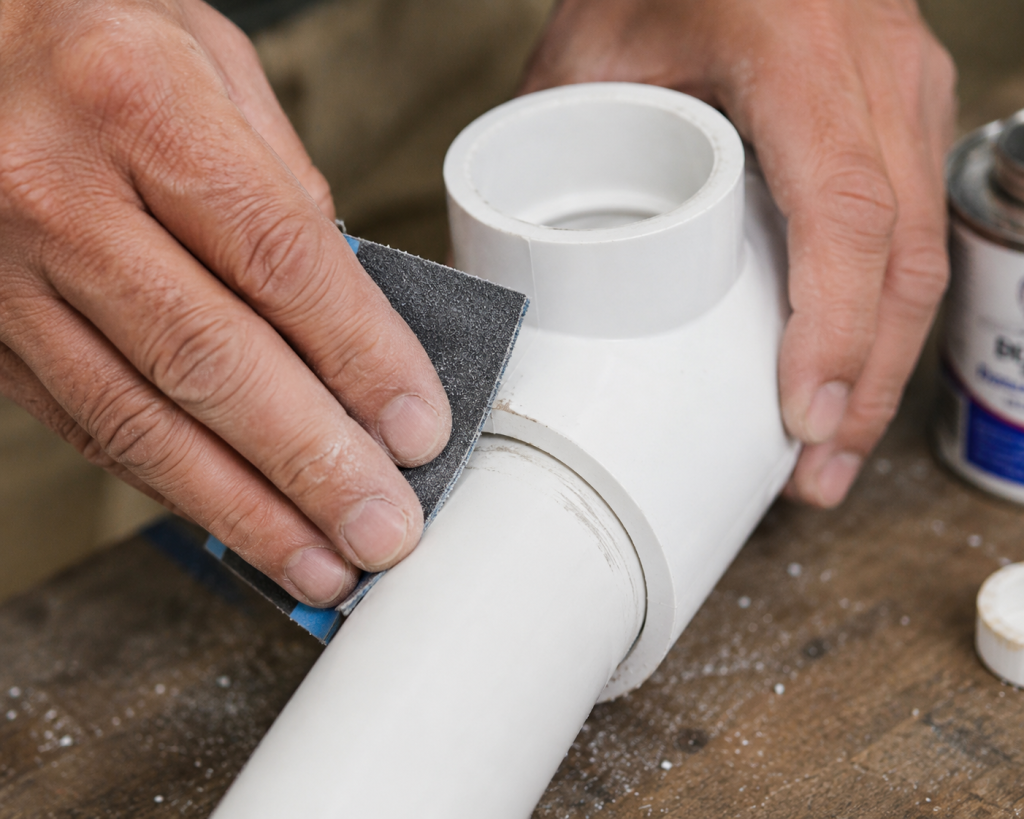
Before we dive into the removal methods, it’s crucial to understand what we’re dealing with. PVC pipe glue, also known as PVC cement or solvent cement, is a strong adhesive specifically designed to create a watertight seal between PVC pipes and fittings. This glue works by chemically melting the surface of the PVC, allowing the pieces to fuse together as the solvent evaporates.
Key characteristics of PVC pipe glue:
Here’s why it fights back: under ASTM D2564, the industry standard for PVC solvent cement, a joint only needs to reach a minimum burst strength of 400 psi after a 2-hour cure to pass spec. That strength keeps climbing for days afterward — which is exactly why a fresh joint comes apart with a bit of heat, but a week-old one barely budges.
Understanding these properties helps us appreciate why removing PVC pipe glue can be challenging and why specific techniques are necessary for successful removal.
Key Takeaway
PVC cement is engineered to bond fast and hold permanently — which is exactly why “removal” really means softening it back up with heat, chemicals, or abrasion rather than just pulling it apart.
Before attempting any PVC glue removal method, it’s essential to prioritize safety. Here are some crucial precautions to keep in mind:
By following these safety measures, you’ll minimize risks and ensure a safer working environment throughout the PVC glue removal process.
Key Takeaway
Ventilation isn’t optional with any of these methods — standard PVC cement contains flammable solvents that build up fast in closed bathrooms, crawl spaces, or outdoor heat. Open a window before you open the can.
One of the most effective ways to remove PVC pipe glue is through the application of heat. This method works by softening the adhesive, making it easier to separate the bonded surfaces.

Tools needed:
Step-by-step process:
Pro tip: Be cautious not to overheat the PVC, as this can cause warping or damage to the pipe. If you smell burning plastic, you’re applying too much heat.
Chemical solvents can be highly effective in breaking down PVC pipe glue, especially for stubborn or fully cured adhesives.
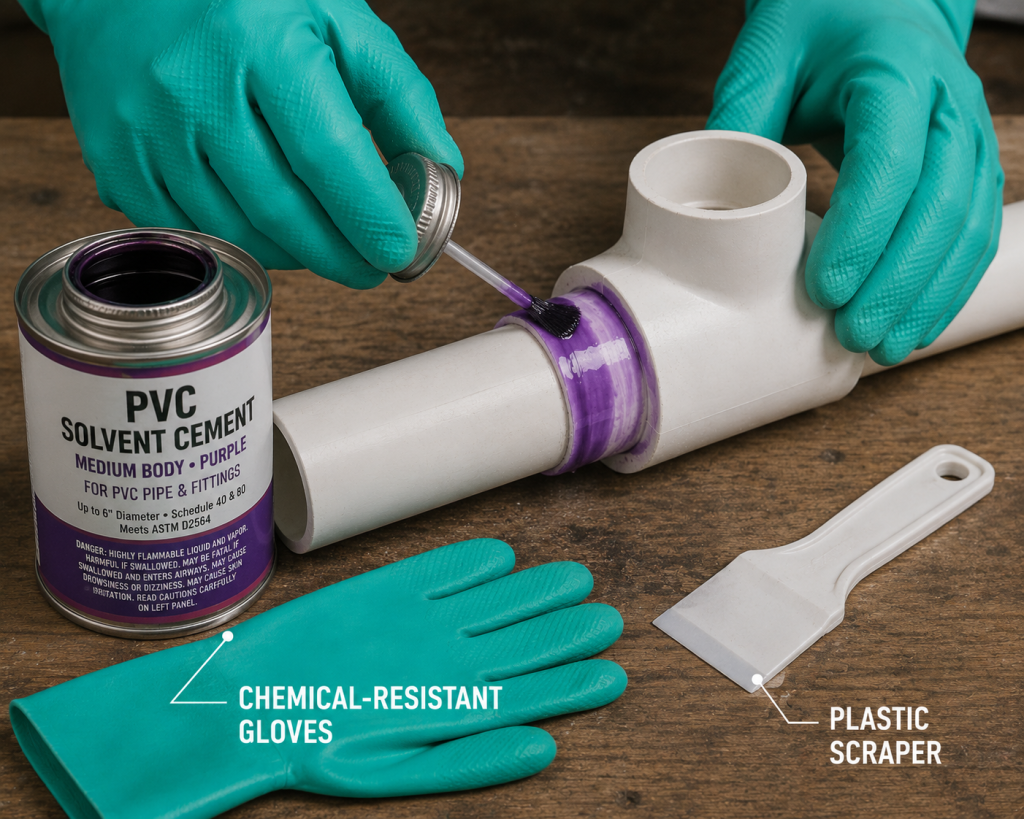
Tools needed:
Step-by-step process:
Standard PVC cement isn’t just sticky — it’s a flammable mix of solvents like MEK, THF, and cyclohexanone, with VOC content that can run past 700 g/L in regular formulas. Low-VOC versions bring that down to around 510 g/L, but both still need real airflow. Occupational exposure limits for solvents like MEK and THF are capped at 200 ppm over an 8-hour day, a level that’s easy to exceed in a closed bathroom or crawl space.
Caution: Chemical solvents can be harsh and potentially harmful. Always use them in a well-ventilated area and follow the manufacturer’s safety guidelines strictly.
For situations where heat or chemicals aren’t suitable, mechanical removal can be an effective alternative.
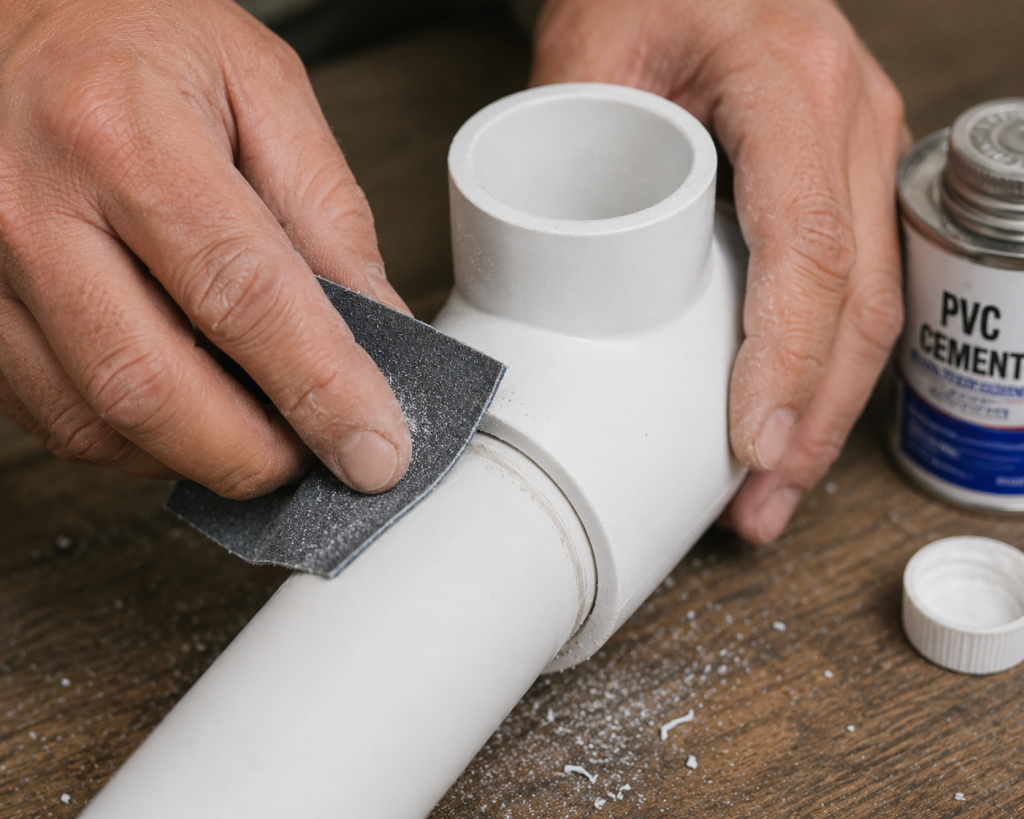
Tools needed:
Step-by-step process:
Pro tip: Take your time and be patient. Rushing the mechanical removal process can lead to scratches or damage to the PVC pipe.
Believe it or not, extreme cold can be just as effective as heat in removing PVC pipe glue. The freezing method works by making the adhesive brittle and easier to crack.
Tools needed:
Step-by-step process:
Caution: Never handle dry ice with bare hands, and ensure proper ventilation when using compressed air dusters, as they can displace oxygen in enclosed spaces.
Key Takeaway
Heat, chemical solvents, and freezing all work on the same principle — softening or destabilizing the cement bond. Pick based on what you have on hand and how accessible the joint is, not which method sounds the most aggressive.
For a more eco-friendly approach, a mixture of vinegar and baking soda can be surprisingly effective in removing PVC pipe glue.

Tools needed:
Step-by-step process:
Pro tip: This method is particularly useful for small areas or light glue residue. For larger or more stubborn applications, you may need to combine this with other methods for best results.
Specially formulated commercial products designed to remove PVC pipe glue can be a convenient and effective solution.
Tools needed:
Step-by-step process:
Pro tip: Always choose a product specifically designed for PVC glue removal to ensure compatibility and effectiveness.
Sometimes, the old-fashioned approach of sanding can be the most reliable method, especially for small areas or when other methods aren’t feasible.
Tools needed:
Step-by-step process:
Pro tip: Be patient and take breaks to avoid fatigue. Rushing the sanding process can lead to uneven removal or damage to the PVC pipe.
For a simple yet effective method, boiling water can help soften PVC pipe glue, making it easier to remove.
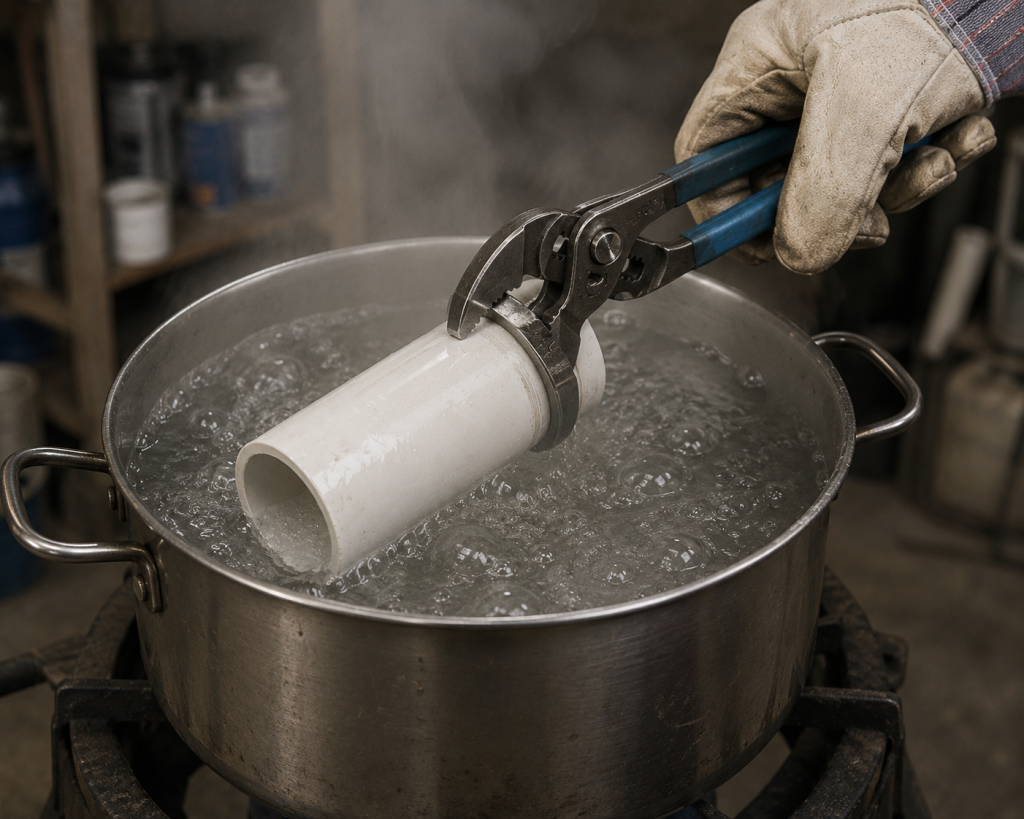
Tools needed:
Step-by-step process:
Caution: Be extremely careful when handling boiling water to avoid burns. This method is best suited for smaller PVC pieces that can be safely submerged.
Acetone is a powerful solvent that can effectively break down PVC pipe glue, but it should be used with caution.
Tools needed:
Step-by-step process:
Caution: Acetone can damage some types of plastic, so test it on an inconspicuous area first. Never use acetone near open flames or heat sources, as it is highly flammable.
For particularly challenging cases or when dealing with critical plumbing systems, seeking professional help may be the best course of action.

When to consider professional help:
Benefits of professional assistance:
Pro tip: When hiring a professional, always choose a licensed and insured plumber with experience in PVC pipe repairs. Ask for references and get detailed quotes before proceeding with the work.
Prevention is always better than cure. Here are some tips to help you avoid PVC glue removal headaches in the future:
Cure time isn’t a flat number — it officially depends on pipe diameter, application method, temperature, and humidity. That’s why the “24–48 hours” guideline in this guide is exactly that: a guideline. In cooler or humid conditions, give a joint extra time before pressurizing the system.
Key Takeaway
Most glue-removal headaches start at the gluing stage — too much cement, no dry-fit check, or rushed assembly. A few extra minutes during installation saves hours of removal work later.
By following these preventive measures, you can significantly reduce the likelihood of needing to remove PVC pipe glue in the future.
How do you remove dried PVC glue?
Heat is usually the fastest fix — warm the joint with a heat gun for a minute or two, then twist the pieces apart while they’re still warm. If that doesn’t work, a chemical solvent or careful sanding will finish the job.
Can you take apart PVC pipes once they’re glued?
Yes, but it takes some persuasion. Heating the joint, applying a solvent like acetone, or even freezing it can all loosen the bond enough to twist the pipe and fitting apart.
What’s the best way to get adhesive off PVC?
Acetone or a commercial PVC glue remover breaks down most residue fast. Apply it, let it sit a few minutes, then scrape gently with a plastic tool — metal scrapers can scratch the pipe.
How do you unglue PVC fittings without damaging them?
Heat first, then force. Warm the joint evenly, then use pliers or a pipe wrench to twist — not yank — the fitting free while it’s still warm. Patience saves the pipe.
What are my options if a PVC fitting won’t come apart?
Try heat, then a solvent, then freezing, in that order. If none of those work after a couple of tries, it’s often quicker and safer to cut the joint out and fit a new one.
How do you clean old, hardened glue off PVC pipe?
Old glue softens with heat or solvent just like fresh glue, it just takes a bit longer. Soften it, scrape with a plastic scraper, then finish with fine sandpaper if residue remains.
Is it actually safe to heat PVC pipe?
Yes, as long as you’re careful. Keep the heat source moving and never let the pipe get hot enough to smell like burning plastic — that smell means you’re close to warping it.
Can a PVC pipe be reused after the glue is removed?
In most cases, yes. As long as the pipe wasn’t scratched, melted, or warped during removal, you can clean the surface and reuse it. Always check it’s smooth before gluing it back in.
How long does PVC glue actually take to cure?
It sets within minutes, but a full cure — strong enough to handle full water pressure — takes 24 to 48 hours. Cooler or humid conditions can stretch that timeline out further.
Is there an eco-friendly way to remove PVC glue?
A vinegar and baking soda paste works well for light residue and skips harsh chemicals. For tougher, fully-cured joints, reach for a low-VOC commercial remover instead of a standard solvent.
Mastering the art of removing PVC pipe glue is an invaluable skill for both DIY enthusiasts and professional plumbers. Throughout this comprehensive guide, we’ve explored ten proven methods to tackle this challenging task, ranging from heat application and chemical solvents to mechanical removal and eco-friendly solutions.
Remember, the key to successful PVC glue removal lies in choosing the right method for your specific situation, following safety precautions diligently, and exercising patience throughout the process. Whether you’re dealing with a small repair or a large-scale plumbing project, these techniques will equip you with the knowledge and confidence to handle PVC glue removal effectively.
By understanding the properties of PVC glue, employing the appropriate removal techniques, and following preventive measures for future projects, you’ll be well-prepared to maintain and repair your PVC piping systems with ease. Don’t let stubborn PVC glue hold you back – with these methods at your disposal, you’re ready to tackle any adhesive challenge that comes your way.
Need PVC Cement, Primer, or Glue Remover That Actually Works?
Whether you’re assembling a new system or cleaning up an old joint, using the right cement and cleaner makes the difference between a clean job and a messy redo. Dave Pools stocks PVC solvent cement, primer, and glue removers suited for both DIY repairs and professional installations.
Shop PVC Glue & Cleaners at Dave Pools →