

When working on plumbing or industrial projects, selecting the correct thread size for a 3/4 PVC fitting is crucial for ensuring a secure, leak-proof connection. The thread size determines how well your components fit together, directly impacting the performance and longevity of your system. In this guide, we’ll explore the essentials of PVC fitting thread sizes, practical tips for measuring them accurately, and actionable advice to help you avoid common mistakes.
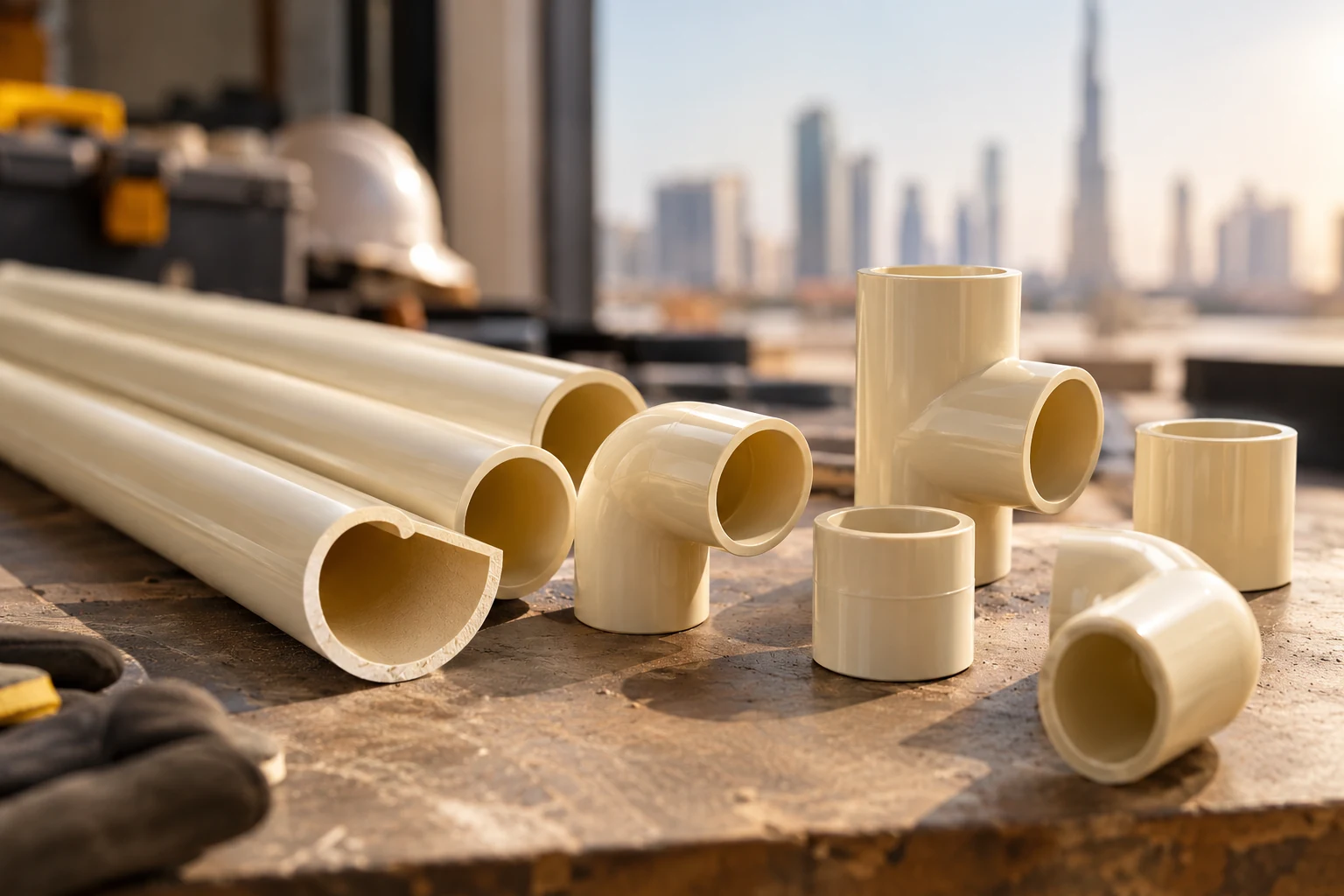
PVC fittings are essential components in plumbing, irrigation, and industrial systems. They connect pipes, allowing for the smooth flow of liquids or gases while maintaining system integrity.
Thread size refers to the dimensions of the threaded ends on a PVC fitting. These threads ensure that components screw together securely. Incorrect thread sizes can lead to:
Thread sizes are typically standardized, with the most common being National Pipe Thread (NPT) in the U.S. and BSP (British Standard Pipe) internationally.
The thread size for a 3/4 PVC fitting refers to the nominal pipe size rather than the actual thread dimensions. In the case of 3/4 NPT fittings, the outer diameter of the threads measures approximately 1.05 inches, and the thread pitch (the distance between threads) adheres to NPT standards, which are tapered for a tight seal.
💡 Pro Tip: Always verify that your threads match the NPT or BSP standard required for your system. Mismatched standards can compromise the connection.
The versatility of 3/4 PVC fittings makes them suitable for a wide range of uses. Here are some of the most common applications:
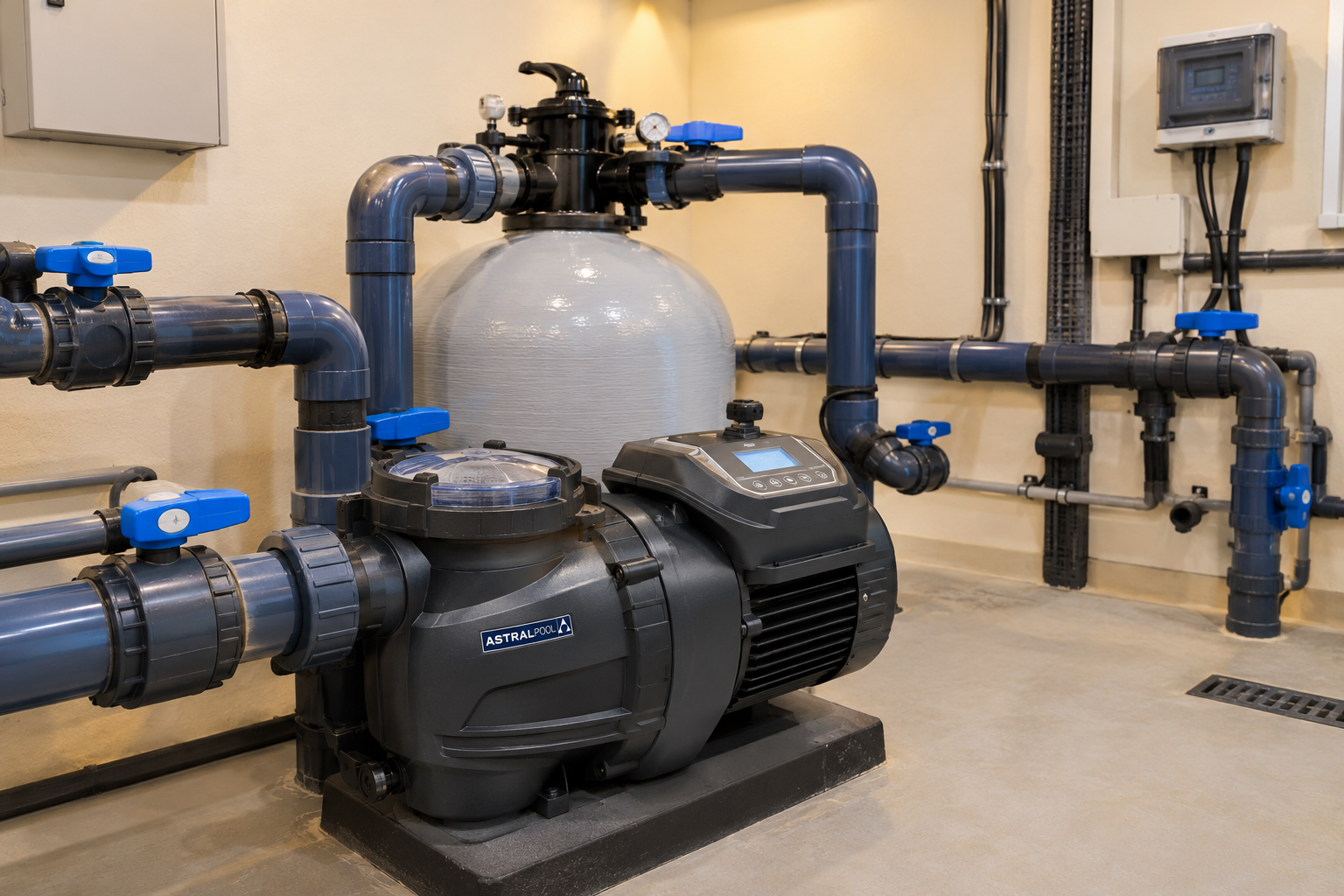
Our comprehensive PVC piping solutions are designed for demanding industrial applications including:
For agricultural and irrigation projects, proper fittings are essential. Explore our irrigation solutions to find the right components for:
💡 Real-Life Example: In an irrigation system, using the correct thread size ensures that water flows evenly without leaks, reducing water waste and maintenance costs.
Measuring thread size correctly is essential for selecting compatible fittings. Follow these steps to ensure precision:
Mixing NPT and BSP threads can result in leaks or damaged fittings. Always verify compatibility.
Inaccurate measurements can lead to mismatched fittings. Invest in quality calipers and thread gauges.
Over-tightening can strip threads or cause cracking, especially in PVC materials.
Ensure you’re selecting the correct thread type for your application. Tapered threads are ideal for pressure-tight seals.
💡 Quick Tip: Always check manufacturer specifications and guidelines when working with PVC fittings to avoid costly errors.
Apply a thread sealant, such as PTFE tape or pipe dope, to improve the seal and prevent leaks. Our piping accessories collection includes premium sealants and tapes for professional-grade installations.
Dry fit the components to confirm compatibility before applying adhesive or sealant.
Verify that the material and thread size can handle the operational conditions of your system.
Manufacturers often provide detailed charts and compatibility guides. Dave Pools provides comprehensive documentation with all products.
Check threads for wear, cracks, or debris that could affect the fit.
Inspect the threads closely. NPT threads are tapered and have a 60° thread angle, while BSP threads are straight or tapered with a 55° thread angle.
No. Mixing these standards often results in leaks due to differences in thread angles and dimensions.
Essential tools include calipers, a thread gauge, and a ruler.
Leaks are typically caused by mismatched thread sizes, improper sealant application, or overtightening.
Pressure ratings vary by manufacturer but typically range between 150 to 300 PSI for standard PVC fittings.
Ready for professional-grade PVC solutions? Dave Pools supplies premium 3/4″ PVC fittings, thread sealants, and complete piping solutions for residential, industrial, and agricultural applications. Browse our PVC products, explore piping accessories, or check out our irrigation solutions. Get your free consultation today!
By understanding thread standards, measuring accurately, and using quality components from trusted suppliers like Dave Pools, you can ensure reliable, long-lasting PVC fitting installations across all your projects.