What are PVC High Pressure Valves & How are They Used?
Introduction
Managing fluid flow efficiently in high-pressure environments can be a significant challenge for both industrial professionals and DIY enthusiasts. Without proper control mechanisms, you risk system damage, safety hazards, and costly repairs. PVC high pressure valves offer a solution, providing reliable flow control in demanding applications while delivering cost-effectiveness and durability. This comprehensive guide explores everything you need to know about these essential components, from their construction to practical applications, helping you make informed decisions for your next project.
Understanding PVC High Pressure Valves
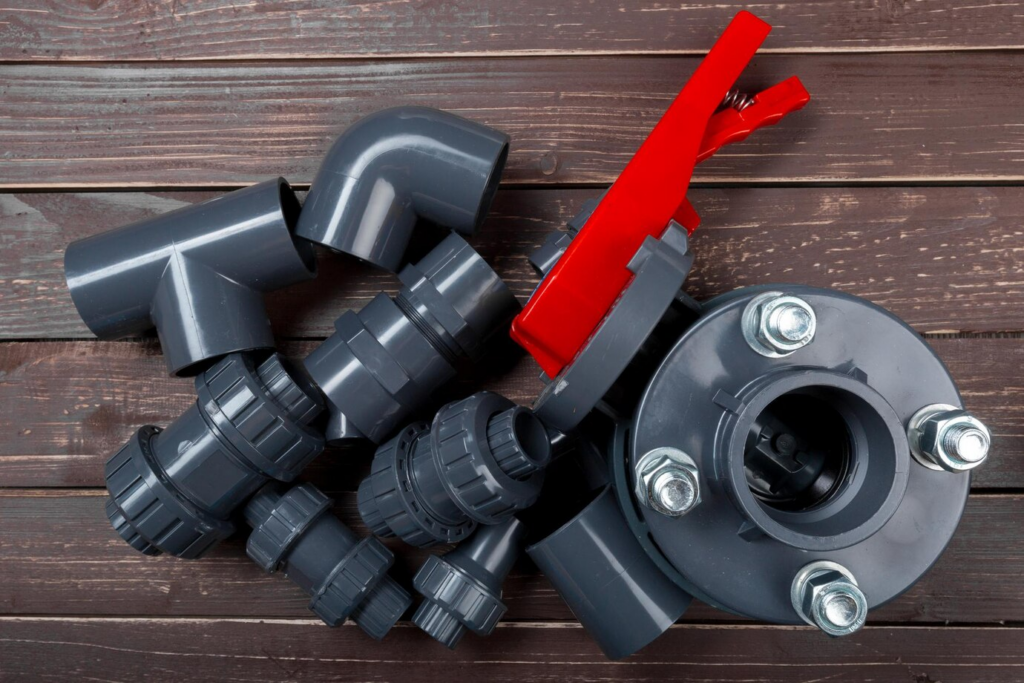
PVC high pressure valves are specialized flow control devices designed to withstand elevated pressure levels while maintaining system integrity. Unlike standard PVC valves, these high-pressure variants feature reinforced construction, superior sealing mechanisms, and enhanced pressure ratings that make them suitable for demanding applications.
These valves serve as the gatekeepers of pressurized systems, allowing operators to control the flow of liquids or gases with precision. The term “high pressure” typically refers to valves rated for operating pressures exceeding 150 PSI, though specific ratings vary by manufacturer and valve design.
Key Distinctions from Standard PVC Valves
High pressure PVC valves differ from their standard counterparts in several critical ways:
Reinforced body construction: Thicker walls and strategic reinforcement points
Enhanced sealing mechanisms: Superior gaskets and sealing surfaces
Higher pressure ratings: Typically 150-300 PSI versus 100-150 PSI for standard valves
Specialized designs: Engineered specifically for high-pressure applications
What Type of Material is PVC Valve Made Of?
PVC (Polyvinyl Chloride) valves are primarily constructed from polyvinyl chloride, a synthetic plastic polymer. This material consists of repeating vinyl groups with chloride attachments, creating a strong, rigid structure perfect for plumbing applications.
The PVC used in valve manufacturing typically falls into two categories:
PVC-U (Unplasticized PVC): Also known as rigid PVC, this material offers excellent chemical resistance, high strength, and superior pressure handling capabilities. It’s the most common material for high-pressure valves due to its rigidity and durability.
CPVC (Chlorinated PVC): Contains additional chlorine atoms, improving temperature resistance (up to 200°F compared to PVC’s 140°F limit). This makes CPVC suitable for hot water applications where standard PVC would fail.
High-pressure PVC valves often incorporate additional materials to enhance performance:
Elastomeric seals: EPDM (ethylene propylene diene monomer) or FKM (fluoroelastomer) for leak-proof operation
Reinforcement fibers: Sometimes added to increase structural integrity
Metal components: Stainless steel stems or bolts for added strength in critical areas
The manufacturing process involves precision injection molding under carefully controlled conditions to ensure uniform material distribution and structural integrity—critical factors in high-pressure applications.
Key Components of PVC High Pressure Valves
Understanding the anatomy of PVC high pressure valves helps you better appreciate their function and select the appropriate type for your application.
Essential Parts and Their Functions
Valve Body: The main housing that contains all internal components and connects to the piping system. In high-pressure models, this features thicker walls and reinforced designs.
Closure Mechanism: Varies by valve type:
Ball valves use a perforated ball that rotates
Gate valves employ a sliding gate/wedge
Globe valves utilize a disk that moves against a seat
Butterfly valves feature a disk that rotates on an axis
Seats and Seals: Critical components that prevent leakage, typically made from EPDM, PTFE, or FKM materials specifically chosen for pressure resistance.
Stem: Connects the actuator or handle to the closure mechanism, often reinforced in high-pressure applications.
Actuator/Handle: The external component that allows manual or automated operation of the valve.
Benefits of High Pressure PVC Valves
PVC high pressure valves offer numerous advantages that make them popular across various applications:
Cost-Effectiveness
High pressure PVC valves deliver exceptional value compared to metal alternatives like stainless steel or bronze. Initial purchase costs can be 40-60% lower, while installation expenses are reduced due to their lightweight nature requiring less labor and support infrastructure.
Chemical Resistance
One of the standout benefits of PVC valves is their excellent resistance to:
Acids and bases
Chlorine and chloramines
Salt solutions
Many industrial chemicals
This resistance prevents corrosion and degradation that would quickly compromise metal valves in similar environments, extending service life significantly.
Lightweight Yet Durable
The lightweight nature of PVC (approximately one-sixth the weight of comparable metal valves) simplifies handling and installation without sacrificing durability. High-quality PVC valves can maintain their integrity for 20+ years when properly specified and installed.
Low Maintenance Requirements
PVC’s natural resistance to scale buildup and corrosion translates to minimal maintenance needs compared to metal alternatives that may require regular cleaning or treatment to prevent degradation.
Excellent Flow Characteristics
Modern PVC high pressure valve designs feature smooth internal surfaces and optimized flow paths that minimize turbulence and pressure drops, improving overall system efficiency.
What Does a High Pressure Valve Do?
High pressure valves serve as critical control points within pressurized systems, performing several essential functions:
Precise Flow Control
At their core, high pressure PVC valves regulate the flow of liquids or gases through a system with precision. This control allows operators to:
Adjust flow rates to exact specifications
Balance system pressures
Direct flow to specific areas of a system
Isolate sections for maintenance or emergency shutdown
Pressure Regulation
In many applications, these valves help maintain optimal pressure levels throughout a system, preventing damage from pressure spikes or drops. This regulation is especially crucial in:
High pressure valves act as safeguards against system failures by:
Preventing backflow that could contaminate water supplies
Enabling quick shutoff during emergencies
Relieving excess pressure that could damage equipment
Isolating problematic sections without shutting down entire systems
Process Automation
In industrial settings, high pressure PVC valves often integrate with automated control systems, enabling:
Programmed sequences of operation
Remote monitoring and control
Fail-safe responses to abnormal conditions
Precise timing of fluid delivery
Common Applications of PVC Valves
PVC high pressure valves find use across numerous industries and applications due to their versatility and reliability.
Water Treatment and Distribution
In water treatment facilities, these valves control the flow of chemicals, raw water, and treated water throughout the process:
Chemical dosing systems
Filtration backwash controls
Distribution line management
Sampling points and analyzers
Chemical Processing
The chemical resistance of PVC makes these valves ideal for handling:
Aggressive acids and bases
Chlorine and chlorine compounds
Industrial solvents (with appropriate rating)
Chemical transfer and mixing operations
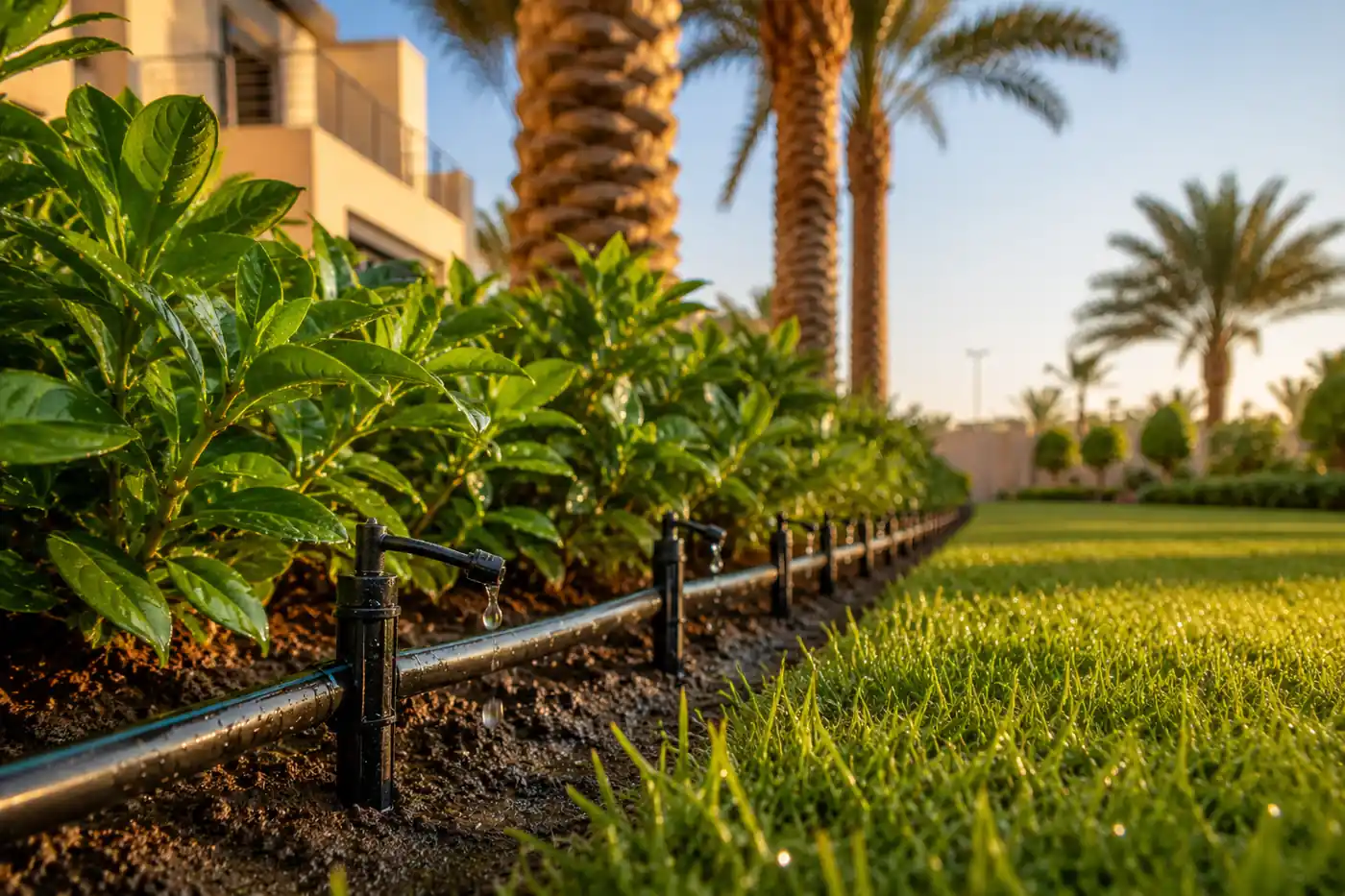
Irrigation Systems
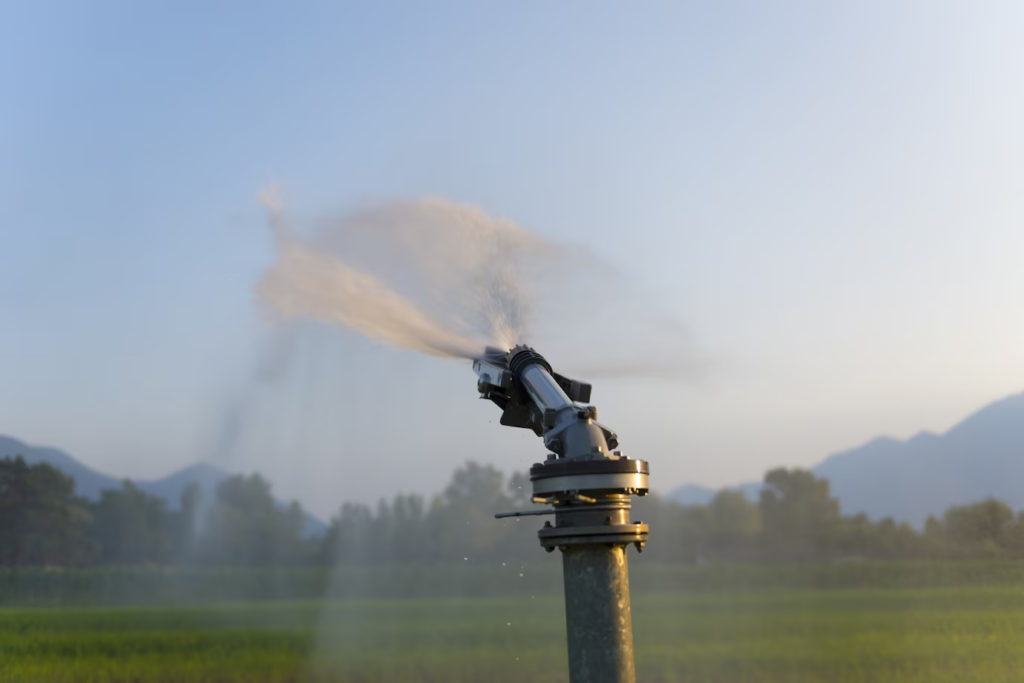
Large-scale agricultural and landscape irrigation relies on PVC high pressure valves for:
Zone control and scheduling
Pressure regulation to prevent system damage
Backflow prevention
System winterization and maintenance
Aquatic Systems
Swimming pools, water features, and aquariums benefit from PVC valves for:
Filtration system control
Backwashing operations
Water feature management
Chemical injection systems
At Dave Pools, we regularly use high-quality PVC valves in our pool installations to ensure reliable operation and easy maintenance for our customers.
Industrial Applications
Many industrial processes utilize PVC high pressure valves for:
Cooling systems
Process water lines
Waste treatment
Slurry handling (with appropriate design)
How to Select the Right PVC High Pressure Valve
Choosing the correct valve for your application requires consideration of several key factors:
Pressure Rating Requirements
Always select a valve with a pressure rating that exceeds your system’s maximum anticipated pressure by a safety margin of at least 25%. Consider:
Normal operating pressure
Potential pressure spikes
Temperature effects on pressure rating
Altitude and environmental factors
Valve Type Selection
Different valve designs suit different applications:
Ball Valves: Excellent for on/off applications with minimal pressure loss when fully open. Their quarter-turn operation makes them user-friendly for quick shutoffs.
Gate Valves: Ideal for applications where unobstructed flow is critical. They open completely, creating minimal restriction, but aren’t suitable for throttling.
Globe Valves: Perfect for precise flow regulation and throttling applications. They create more resistance than ball or gate valves but offer superior control.
Butterfly Valves: Compact and lightweight, these valves work well in larger diameter applications where space is limited, though they typically have lower pressure ratings than other types.
Check Valves: Prevent backflow automatically, essential for protecting equipment and preventing system contamination.
Connection Type Considerations
The method of connecting your valve to the piping system impacts installation ease and system integrity:
Socket connections: Most common in smaller diameters, requiring PVC solvent welding
Threaded connections: Useful for components that may need removal but typically have lower pressure ratings
Flanged connections: Standard for larger valves and industrial applications, allowing easier removal for maintenance
Size and Flow Requirements
Proper sizing ensures optimal performance:
Undersized valves restrict flow and create excessive pressure drops
Oversized valves may lead to poor control and excessive cost
Consider future system expansion when selecting valve size
Installation Best Practices
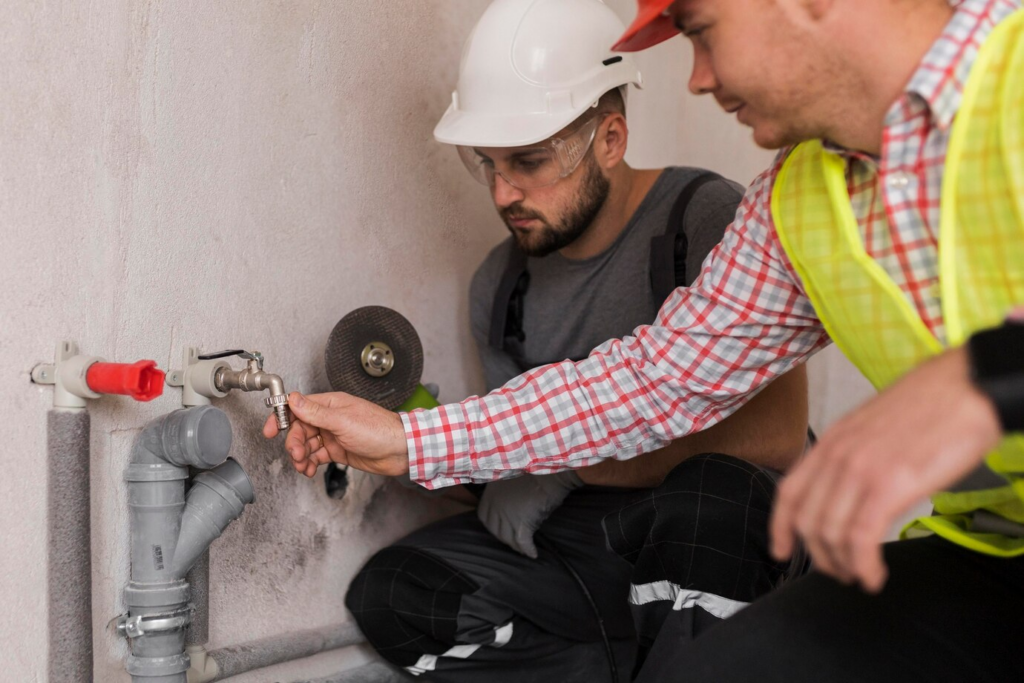
Proper installation is crucial for the performance and longevity of PVC high pressure valves.
Preparation Steps
System Design Review: Verify the valve specifications match your system requirements
Pressure Testing: Confirm the system pressure doesn’t exceed valve ratings
Material Compatibility: Ensure all components (pipes, fittings, and valves) are compatible
Tool Preparation: Gather appropriate tools for cutting, cleaning, and joining
Installation Techniques
For socket (solvent-welded) connections:
Cut pipe square using the appropriate cutting tool
Deburr and chamfer pipe ends
Clean both the pipe and fitting socket with PVC cleaner
Apply appropriate PVC cement per manufacturer instructions
Assemble immediately, giving a quarter turn for proper distribution
Hold briefly to prevent movement during initial set
Allow full cure time before pressurizing (typically 24 hours for high-pressure systems)
For threaded connections:
Use PTFE tape or thread sealant suitable for PVC
Wrap tape in the direction of the thread to prevent unwrapping during assembly
Hand-tighten plus 1-2 turns with a strap wrench (never use pipe wrenches on PVC)
Avoid over-tightening, which can crack fittings
Support and Alignment
Proper support prevents stress on valve bodies:
Install supports on both sides of the valve
Ensure perfect alignment to prevent binding
Allow for thermal expansion in system design
Consider accessibility for operation and maintenance
Verify valve position, inspect for blockage, replace with appropriate size
PVC Valves in Swimming Pool Systems
Swimming pool circulation systems represent one of the most common applications for PVC high pressure valves.
Critical Valve Locations
Main Drain Lines: Gate or ball valves control flow from the pool’s main drains
Skimmer Lines: Valves regulate water drawn from surface skimmers
Return Lines: Control water flow back to the pool
Filter System: Multiple valves manage backwashing, rinsing, and normal operation
Heater Bypass: Valves direct flow through or around heating systems
Water Features: Control separate pumps and flow to features like fountains and waterfalls
Pool-Specific Considerations
When selecting valves for pool systems, consider:
Chlorine resistance requirements
UV exposure for outdoor installations
Winterization needs in seasonal locations
Accessibility for maintenance
Clear labeling for proper operation
At Dave Pools, we carefully design valve arrangements to maximize efficiency while ensuring easy operation for pool owners. Properly positioned valves simplify routine maintenance tasks like backwashing filters and balance water distribution throughout the system.
Frequently Asked Questions
What are the uses of PVC valves?
PVC valves are used in various applications including water treatment systems, chemical processing, irrigation, swimming pools, industrial processes, and residential plumbing. They control fluid flow, regulate pressure, prevent backflow, and enable system isolation for maintenance.
What does a high pressure valve do?
A high pressure valve regulates and controls fluid flow in systems operating at elevated pressures. It provides precise flow adjustment, system protection, pressure regulation, and isolation capabilities while maintaining structural integrity under demanding pressure conditions.
What type of material is PVC valve made of?
PVC valves are primarily made of polyvinyl chloride, a synthetic thermoplastic polymer. High pressure variants typically use unplasticized PVC (PVC-U) with additional reinforcement. They also incorporate elastomeric seals (EPDM or FKM) for proper sealing and sometimes metal components for stems or fasteners.
What are the basics of PVC valves?
PVC valves are plastic flow control devices that regulate fluid movement through piping systems. They function through various mechanisms (ball, gate, globe, butterfly designs) to start, stop, or modulate flow. They’re valued for corrosion resistance, cost-effectiveness, and lightweight construction.
How do I choose between different types of PVC valves?
Select based on application requirements: ball valves for quick on/off control, gate valves for unobstructed flow, globe valves for precise throttling, butterfly valves for space-constrained large diameter applications, and check valves for automatic backflow prevention.
What are the pressure limitations of PVC high pressure valves?
Most PVC high pressure valves are rated between 150-300 PSI at room temperature. However, pressure ratings decrease as temperature increases, with typical ratings dropping by about 50% at 140°F compared to 73°F ratings.
How do I properly install a PVC high pressure valve?
Proper installation involves square pipe cuts, thorough cleaning, appropriate solvent welding or threading techniques, proper alignment, adequate support, and sufficient curing time before pressurization. Always follow manufacturer-specific guidelines.
Can PVC high pressure valves be used outdoors?
Yes, but they should be protected from direct UV exposure, which can degrade PVC over time. Use UV-resistant paint or protective covering for outdoor installations or select UV-stabilized valves specifically designed for outdoor use.
What are the benefits of high pressure PVC valves?
Benefits include cost-effectiveness (40-60% less than metal alternatives), excellent chemical resistance, lightweight construction for easier installation, low maintenance requirements, and good flow characteristics with minimal pressure drop.
Conclusion
PVC high pressure valves represent an essential component in numerous applications where reliable flow control meets demanding pressure requirements. Their unique combination of durability, chemical resistance, and cost-effectiveness makes them ideal for everything from industrial processes to swimming pool systems.
Whether you’re designing a new installation or upgrading existing infrastructure, understanding the types, applications, and best practices for these valves ensures optimal performance and longevity. For swimming pool owners specifically, proper valve selection and placement significantly impacts system efficiency and ease of maintenance.
For expert advice on swimming pool systems including valve selection and placement, contact the professionals at Dave Pools. Our experienced team can help design and implement systems that provide years of trouble-free operation while maximizing energy efficiency and water quality.
Remember that successful implementation of PVC high pressure valves depends on proper selection, installation, and maintenance. By following the guidelines in this article, you’ll be well-equipped to make informed decisions for your specific applications.