Quick Facts PVC is about 57% chlorine and CPVC about 67%. CPVC is PVC that has been chlorinated further. Maximum temperature: PVC 60°C (140°F), CPVC 93°C (200°F). Cost: CPVC pipe…
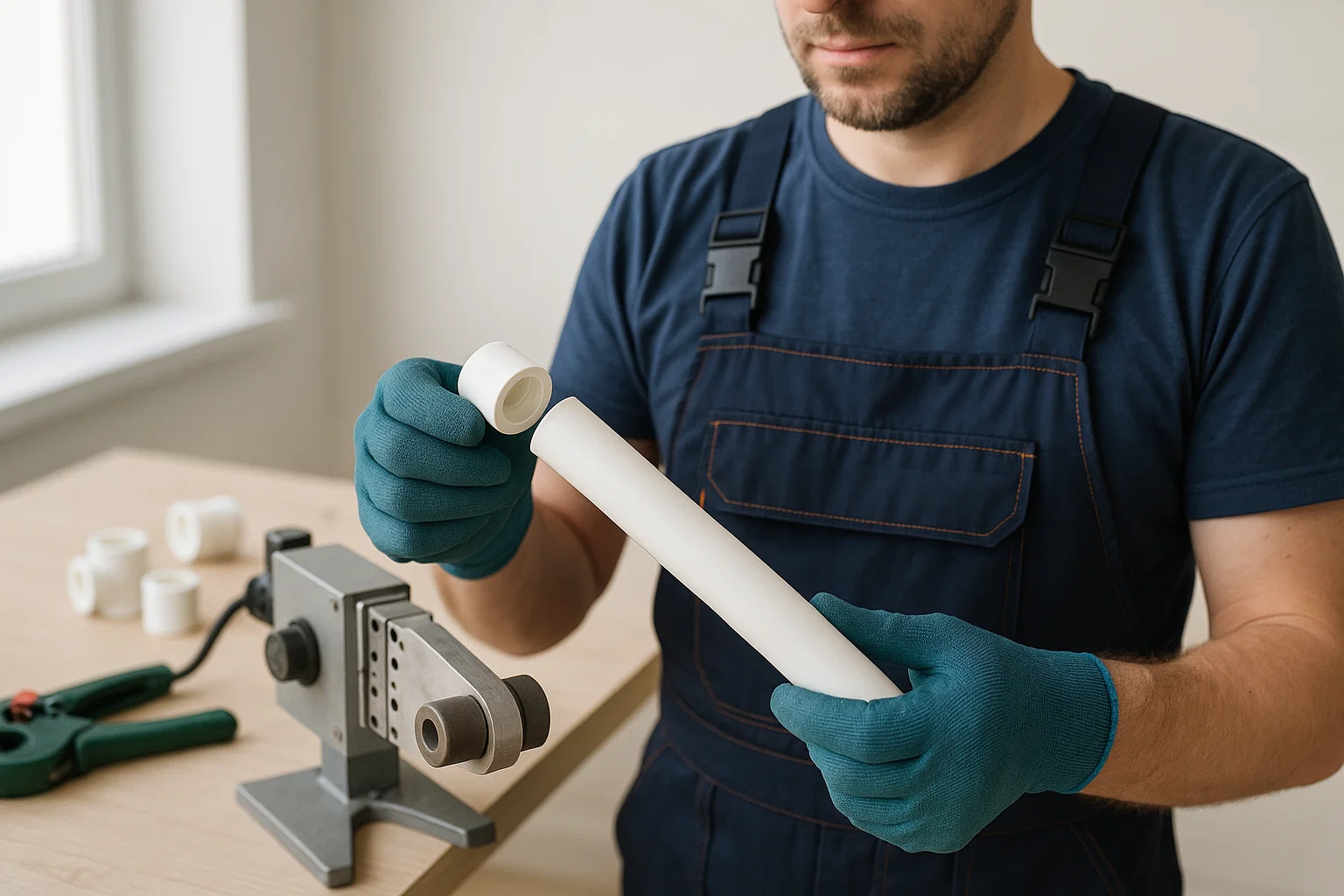
Introduction Are you struggling with leaky pipe connections or planning a plumbing project that requires reliable, long-lasting joints? PPR pipe welding might be the solution you need. Unlike traditional connection…
Introduction A sudden PPR pipe leak can quickly turn into a homeowner’s nightmare, causing water damage, mold growth, and increased utility bills. Whether it’s a slow drip or a major…
Introduction Are you struggling to decide between UPVC and CPVC pipes for your next plumbing project? You’re not alone. Many homeowners and contractors find themselves confused when faced with these…
Introduction Are you struggling with leaky pipe connections that waste water and damage your property? Improper pipe installation can lead to costly repairs, mold growth, and structural damage. The solution…
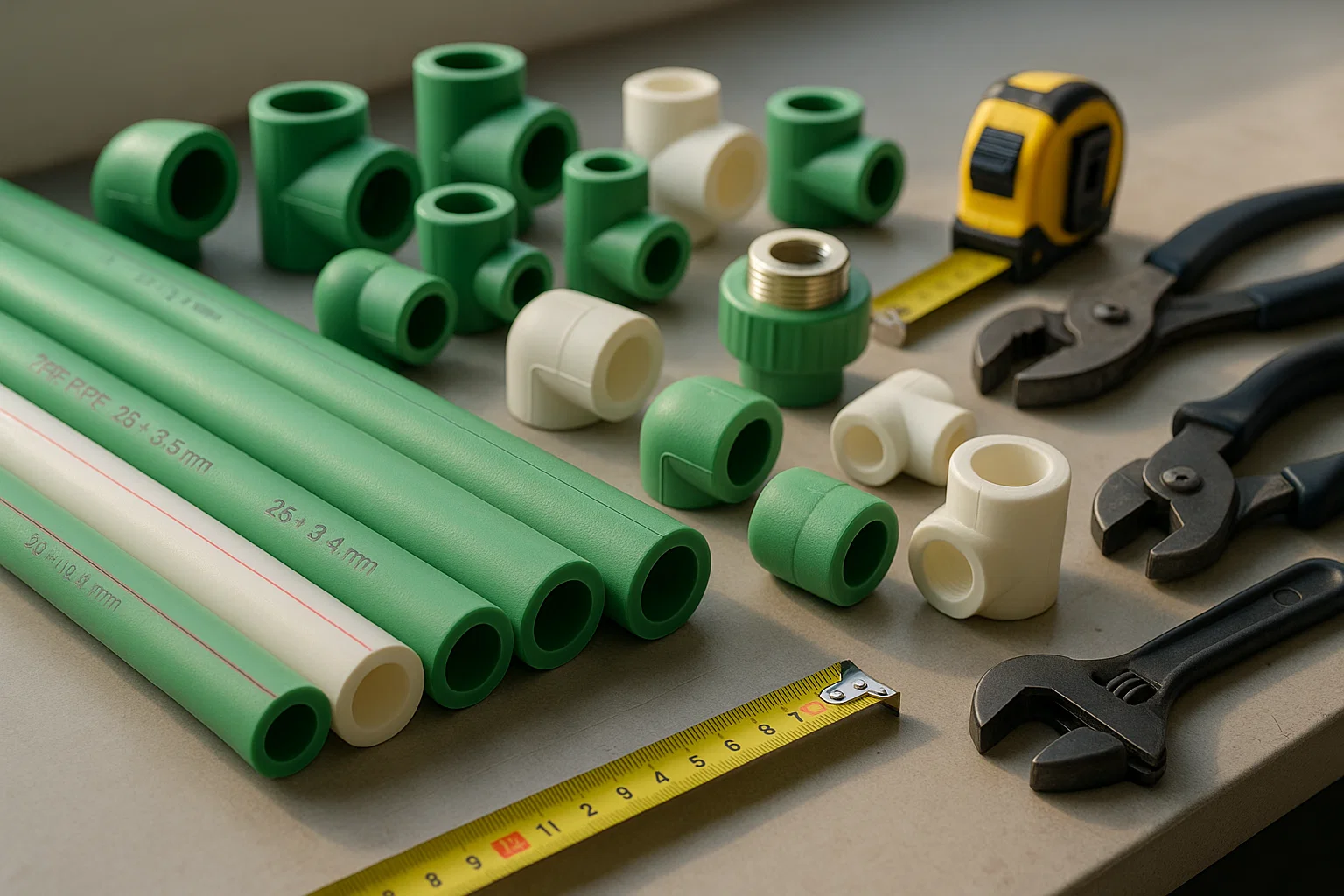
Introduction to PPR Pipes and Fittings Are you planning a plumbing project but unsure which pipe material to choose? The wrong selection can lead to leaks, contaminated water, or costly…
Quick Facts Pipe cutter: best for pipes under 2 inches, giving clean, straight cuts. Ratchet cutter: for pipes of 2–4 inches. Above 4 inches, use a power saw or a…
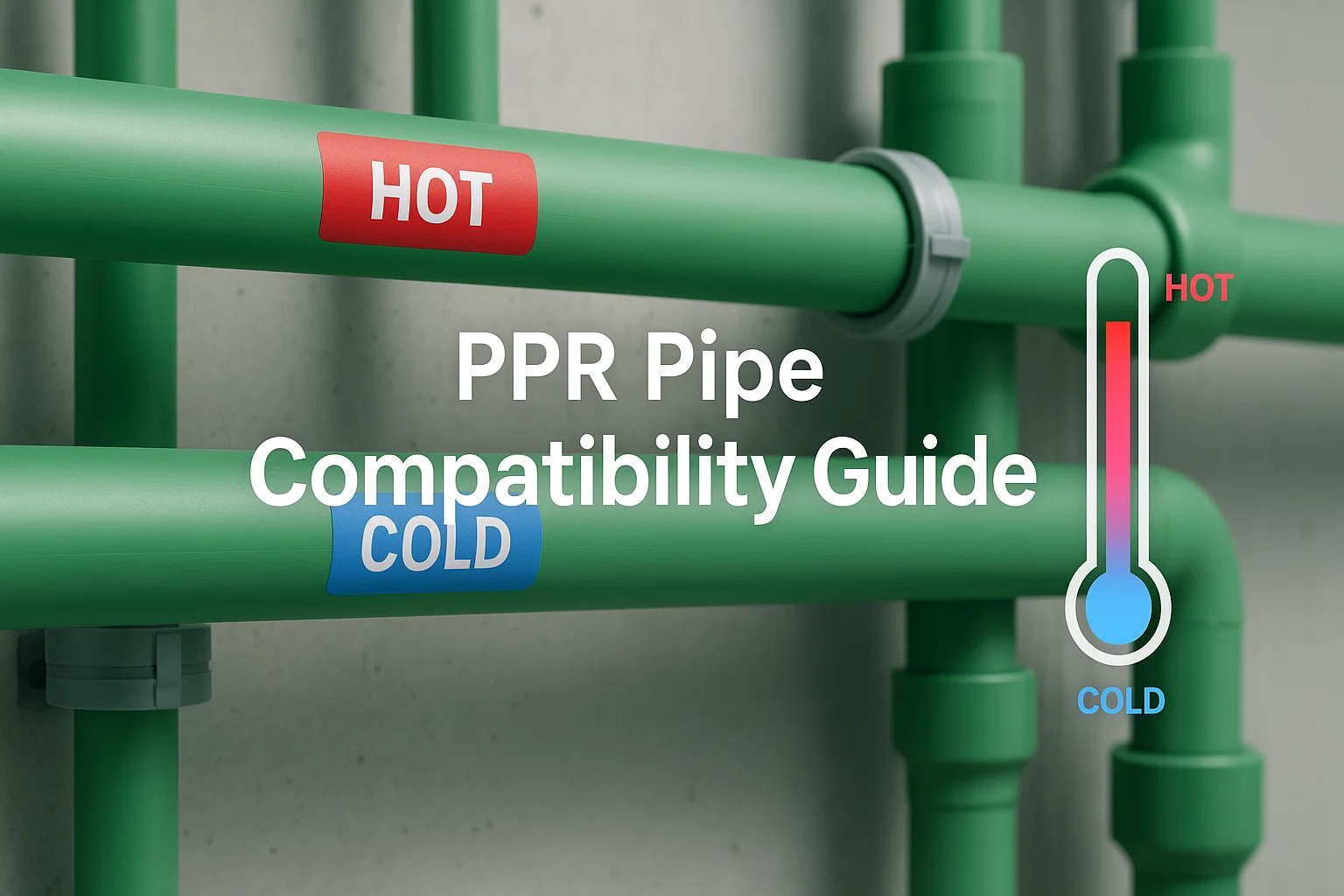
Introduction: The PPR Pipe Compatibility Question Are you planning a plumbing installation and wondering whether PPR pipe is compatible with hot or cold water? This is a critical question that…
Quick Facts PVC is the most common irrigation pipe. It is affordable, handles pressure well and lasts 20–30 years. PVC is not suited to above-ground use because UV light degrades…
Introduction Selecting the right valve material is a critical decision that impacts system performance, maintenance requirements, and overall project costs. The dilemma between PVC valves vs metal valves continues to…